What is Abuse?

Child abuse is not easy to recognise, prevent or stop and is a very difficult subject to deal with, especially when you know the child or family. Child abuse can take many forms:

Physical Abuse

Physical abuse can include, but is not limited to:

  • hitting, smacking and slapping
  • punching and kicking
  • pinching, scratching and biting
  • shaking or suffocating 
  • scalding or burning 
  • hair pulling
  • spitting or throwing things
Emotional Abuse

Emotional abuse can include:

  • Regularly being called names, criticised, or made to feel bad about themselves
  • Being shouted at frequently, even when they’ve done nothing wrong
  • Being ignored or excluded, or being made to feel like they don’t belong in the family
  • Being given responsibilities that are not appropriate for their age
  • Being pressured or controlled, especially around things they are not developmentally ready for
  • Being treated unfairly compared with siblings
  • Being placed in situations that are unsafe or frightening
  • Seeing or hearing violence, aggression, or abuse between adults at home
  • Being stopped from having friendships or spending time with peers

Recognising emotional abuse can be difficult, but trusting your instincts and seeking advice early can make a real difference.

Sexual Abuse

Sexual abuse involves any sexual activity or behaviour with a child or young person that they do not fully understand, cannot consent to, or are pressured, tricked, or forced into. It can happen in person or online, and it can involve adults or other children.

Sexual abuse can include:

  • Pressuring, persuading, or forcing a child to engage in sexual activity or sexual contact
  • An adult or another young person exposing their genitals to a child, either in person or through digital platforms
  • Being pressured, encouraged, or told to send or share sexual images or videos
  • A child being shown, sent, or given sexual images, videos, or pornography
  • Giving a child gifts, attention, or making them feel indebted in exchange for something sexual
  • Any sexual activity where a child has not, cannot, or does not freely give consent
Neglect

Neglect happens when a child’s basic needs are not being met in a way that keeps them healthy, safe, and able to develop. It is different from not always getting what they want—it is about not having the essential care and support every child requires.

Neglect can mean a child does not have:

  • Clean, warm clothing and shoes that fit properly and keep them dry
  • Enough food and drink to stay healthy
  • Protection from unsafe or dangerous situations
  • A warm, dry, and comfortable place to sleep
  • Medical help when they are ill or hurt
  • Love, attention, and emotional support from parents or carers
  • Support with their learning and education
  • Access to medication or health needs being properly managed

It can also include situations where a child is taking on too much responsibility, such as caring for others in the household for long periods without appropriate adult support.

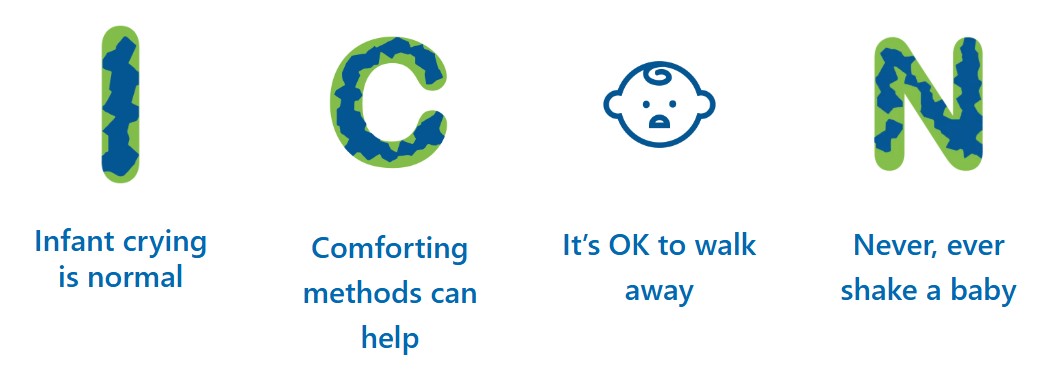
ICON: Babies Cry, You Can Cope

Babies cry, you can cope

When babies cry it can be stressful and overwhelming. Help is out there and all you need to do is ask. Click the image below for further information and support:
How to Report Abuse

If a child is in immediate danger of serious harm or has been left alone dial 999 and let the operator know that it is a possible child protection issue.

If the child is not in immediate danger of serious harm but you know or suspect they are being abused or neglected call us:

  • Monday to Thursday 8:30am to 5pm, Friday 8:30am to 4:30pm on 01902 555392
  • Outside of the above hours for emergencies on 01902 552999
  • If the child or young person is at immediate risk of serious harm dial 999

If you suspect or believe a child is suffering or is likely to suffer Significant Harm, including any form of mistreatment or abuse, you should report your concerns.

Partners

Our Partners

Wolverhampton@2026. All rights reserved